Sydney to Adelaide packing and delivery checklist
The last things left in a home are often the awkward ones: a half-used pantry, shoes by the back door, plants that need their own arrangements, and the kettle you still need. Sorting those decisions early makes the final packing day much easier.
Use this guide to decide what can join the load, what still needs advice and what stays with you. Interstate Removalists Co can help you work through the remaining packing and delivery questions. For transport options, inclusions and a quote, see our Sydney to Adelaide removalists page.
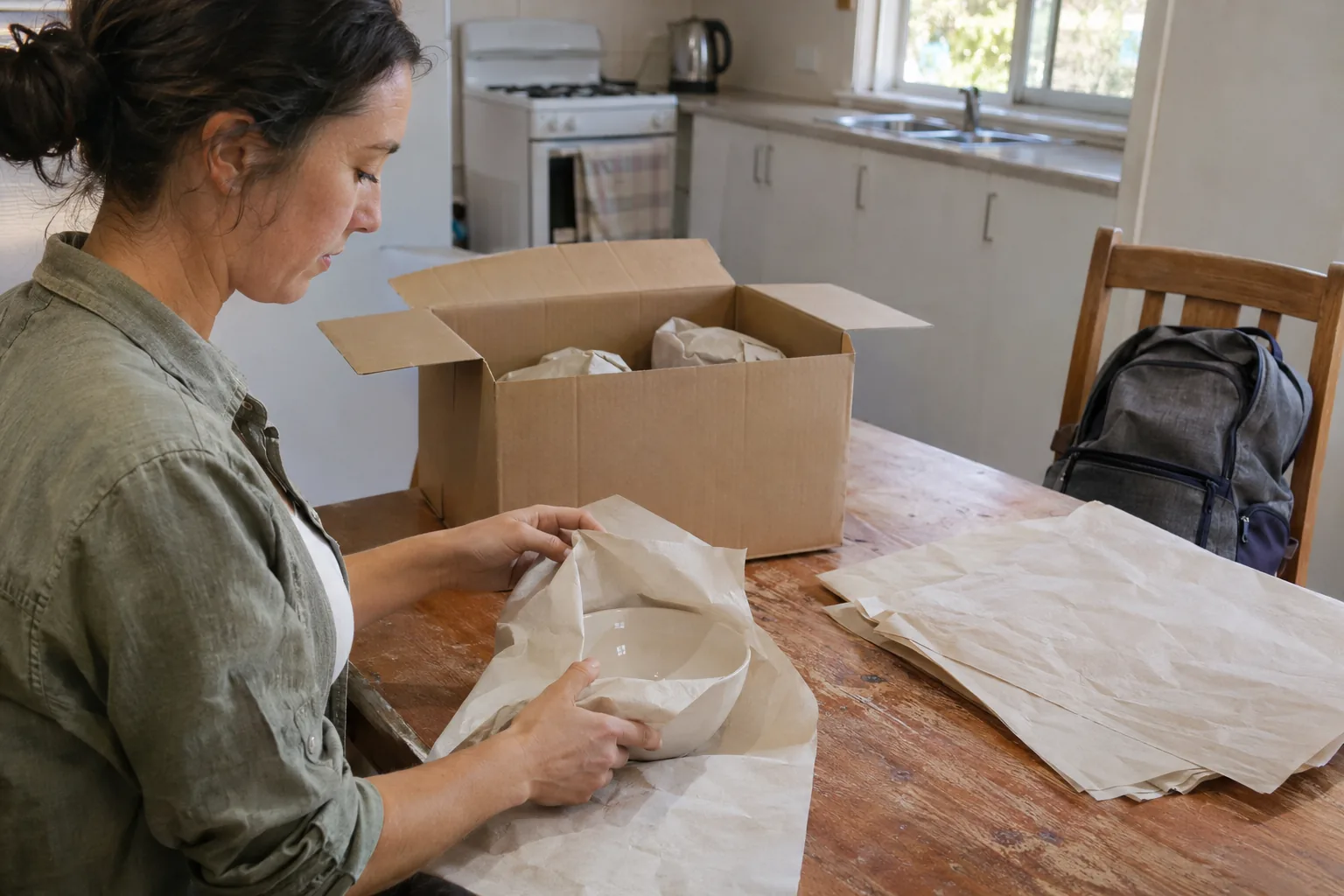
Give every remaining item a decision
Begin with the Adelaide rooms, then walk through the Sydney home, garage and outdoor areas. Something that has lived in the same cupboard for years is easy to overlook. Open storage boxes and check what is inside before adding them to the moving list.
Use these four groups to keep the agreed furniture load separate from outstanding questions, excluded goods and your personal plans.
| Group | Typical items | Your next step |
|---|---|---|
| Confirmed for the load | Furniture on the agreed inventory and ordinary dry household contents accepted for transport. | Finish the agreed preparation, record quantities and label by destination room. |
| Keep separate for a check | Food, outdoor equipment, batteries and unusual belongings whose entry rules or acceptance are unresolved. | Identify the actual item, resolve any entry conditions and confirm acceptance with IRCO before including it. |
| Excluded from the IRCO load | Plants on this interstate move; dangerous goods including gas cylinders, fuel containers and volatile liquids. | Keep them off the removal inventory and out of packed cartons. Arrange separate lawful transport, local handover or suitable disposal as appropriate. |
| Travel with you or leave behind | Documents, daily essentials and valuables you will carry; belongings you have decided not to move. | Pack personal essentials separately and arrange collection, donation or suitable disposal for the rest. |
Put a visible note on anything staying at the property. Tell the crew about it during the walkthrough, particularly if you have sold a cabinet but its drawers are still full. Empty it and remove its contents from the transport inventory before collection.
For a useful everyday example, imagine the dining table is travelling but the old outdoor setting is not. The table, its detached legs and the fittings need matching identifiers. The outdoor setting needs a separate removal or handover plan. Neither decision is clear from “three-bedroom house”.
Check South Australian entry rules before sealing the cartons
Plants cannot travel with IRCO on your Sydney to Adelaide move. Our published terms exclude plants from interstate removals and moves involving storage. Make a separate plan for them before collection; a government permit or certificate would not change that carrier exclusion.
For other goods you intend to take, review the current rules for entering South Australia from New South Wales. PIRSA's entry guide covers produce, plant material and other items with specific conditions. Use it for anything travelling in your own vehicle too, including plants you are arranging to move separately.
For an uncertain item, write down what it is, where it has been kept and any soil or plant material associated with it. Ask PIRSA about applicable conditions or documents. For goods that are not already excluded by IRCO's terms, give our office those details and confirm acceptance before adding them to the load.
Look beyond the obvious garden items
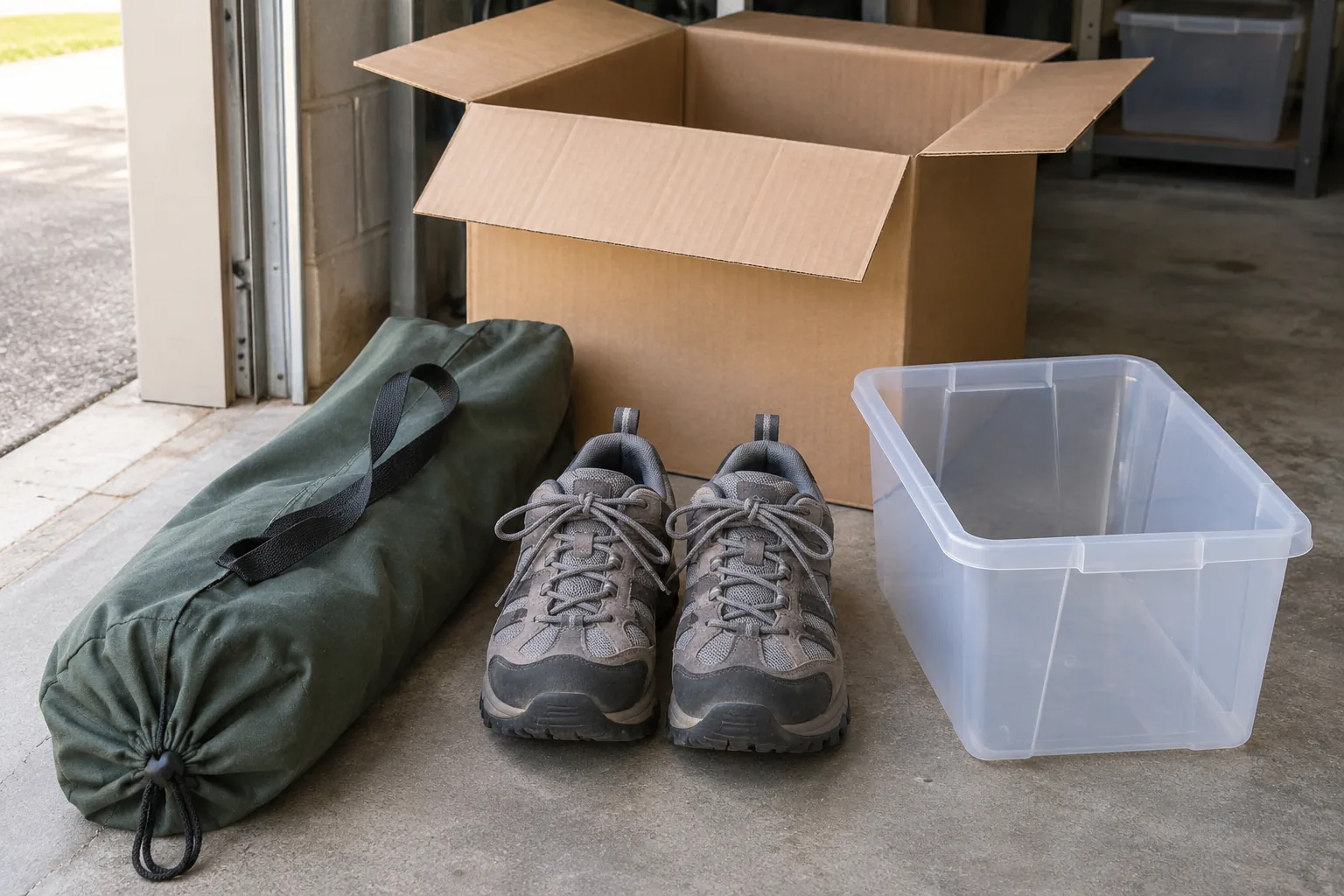
Check footwear, camping equipment, outdoor furniture and storage tubs as well as pots and tools. Remove soil and plant debris where appropriate, allow cleaned items to dry, and keep anything awaiting advice out of completed cartons. Cleaning alone does not establish that a restricted item can enter.
A labelled inventory note is more useful than a general assurance that everything is clean. For example: “Two camping chairs; dry and checked; carrier acceptance to confirm.” Replace that note once the question is resolved.
If your journey passes through another state or a protected production area, check the rules that apply there too. Australian Interstate Quarantine explains movement checks. Confirm the freight arrangement with the carrier rather than assuming the truck follows your chosen driving route.
Keep the food and outdoor belongings in your own vehicle on the checklist as well. Leaving an item out of the removal truck does not remove its entry requirements. PIRSA also explains South Australia's separate travel and quarantine areas.
Make a packing record that still makes sense in Adelaide
Use a simple item number or room label that someone else can follow. You do not need to describe every spoon. You do need to know which cartons belong in the kitchen, how many parts belong to the bed, and where the fittings have been packed.
- Agree who prepares each item. Mark tasks as yours or requested from the mover. Confirm the quoted work before leaving a cabinet or fragile item unpacked.
- Photograph condition and components. Take clear views before wrapping and record existing marks. Keep assembly instructions with the matching item record.
- Label the room and contents. A short description such as “Kitchen — plates — carton 3 of 6” helps with checking and unpacking. Update the total if more cartons are added.
- Record dismantled parts together. List the table top and legs as components of the same table, with the fittings located in a clearly identified bag or carton.
- Make a final count. Check the actual packed goods against the accepted inventory and tell the office about changes before loading.
Keep private documents and detailed valuables lists out of labels visible to passers-by. The label should help identify and place the item; the more detailed record can stay with you and the authorised receiving person.
For fragile kitchen contents, use our partial packing guide to decide where you need help. Follow the separate fridge and washing-machine preparation advice and the appliance manufacturer's instructions. Those tasks deserve their own checks rather than being squeezed into the last hour.
SA Consumer and Business Services recommends before-and-after photographs as useful evidence if a concern arises. Keep the original files where you can retrieve them after moving.
Pack for the time between the two homes
Think about what you would need if you reached Adelaide before the furniture. Keep identification, keys, regular personal essentials, chargers, work items and suitable clothing with you. Plan any temperature-sensitive or specialist belongings separately with the appropriate advice.
A first-night carton is useful once it arrives, but it is not a substitute for the bag travelling with you. Keep the essentials for your own journey outside the consignment. Tell everyone helping with packing which bag or corner is off limits to the loading crew.
If furniture will go into storage, work out what you need for that whole period. Retrieving one item may require notice, access arrangements or extra handling. Use our storage between homes checklist to ask about this before the load leaves Sydney.
Keep both sets of property contacts available outside packed devices or documents: your Sydney handover contact, Adelaide agent or receiving person, and the moving office. That small step is useful when a key collection or building appointment changes.
Prepare the Adelaide home before the furniture reaches it
Check the receiving date against access to the property, not just the date on your travel booking. If keys, a lift slot or an authorised receiving person are still uncertain, tell the moving office while there is time to discuss alternatives.
- Ask for the expected delivery window and how much arrival notice will be given.
- Confirm the vehicle stopping point and the complete path to the rooms, including gates and steps.
- Give the receiving person the same inventory and room names used on the cartons.
- Check that large pieces fit the intended rooms and access route before deciding where they will go.
- Agree what should happen if access is unavailable, including whom to call and who can approve changes.
A simple room plan helps if someone is receiving on your behalf. “Bedroom 2” should mean the same room to you, the helper and the crew. You could identify it as the room opposite the bathroom rather than relying on an unfamiliar floor plan alone.
Use local city times when confirming appointments. Adelaide is half an hour behind Sydney; Tourism Australia's time-zone guide explains the difference. Writing “Adelaide local time” beside a handover avoids an unnecessary mix-up.
At unloading, check the furniture and carton count against the record. Note concerns with the agreed contact and retain photographs and correspondence. Read the IRCO booking terms before the move; clarify any cover you need with your insurer, as IRCO's terms state it does not offer a general insurance product.
Your final Sydney to Adelaide preparation checklist
Work through this list with your inventory beside you. Keep a dated copy of your notes on your phone or on paper, so you and the person receiving the furniture in Adelaide have the same plan.
- Settle the furniture list. Record the pieces going to Adelaide, their separate components and the latest carton count. Mark optional items clearly and tell IRCO about changes before collection. Keep plants and other excluded goods off the list.
- Assign the preparation. Note what you will pack and which packing, materials, dismantling or assembly tasks you have asked IRCO to assess. Check the written inclusions before treating that help as booked.
- Close any goods questions. Identify food, outdoor equipment or unusual items still awaiting advice. Record the answer and any preparation required before putting an accepted item into a carton.
- Write down both date windows. Include the earliest ready date and latest collection date in Sydney, then the earliest and latest workable receiving dates in Adelaide. Add fixed key or building appointments and label each with its local city time.
- Describe both properties. Keep the addresses, stairs or lift details, vehicle restrictions and carrying paths together. Match access photos and bulky-item measurements to the correct property. Add any extra pickup or proposed storage period.
- Keep your own essentials accessible. Put keys, documents, medicines, chargers and travel essentials in the bag going with you. Make sure anyone helping knows that bag stays outside the removal load.
- Prepare the Adelaide handover. Confirm who can receive the furniture, how they will get access and which room labels they will use. Give them the current inventory and office contact; discuss their authority with IRCO before delivery.
If an answer is still missing, say what needs checking and when you expect to know. Interstate Removalists Co can assess your Sydney to Adelaide packing and transport enquiry from the information available, then clarify what is needed to confirm the service.
Sydney to Adelaide packing questions
What should I sort before packing for Adelaide?
Use four groups: the agreed furniture load, goods still needing advice, excluded goods, and the essentials or belongings staying out of the removal. Check cupboards, the garage and outdoor storage. Plants and dangerous goods must stay out of IRCO's interstate load; resolve other uncertain items before adding them to the inventory.
Can I put pantry food in my moving cartons?
Check the actual products against current South Australian entry requirements and the carrier's acceptance conditions. Different produce and processed foods can have different rules. Keep anything awaiting advice separate rather than packing the pantry as one unchecked group.
Can I take pot plants from Sydney to Adelaide?
Plants cannot travel in an IRCO interstate removal or a move involving storage. If you want to take them separately, check the current PIRSA rules for the particular species, growing material, origin and way you intend to transport them. Arrange a lawful option independently of the furniture load.
Does cleaning outdoor equipment make it acceptable to move?
Cleaning and drying are useful preparation steps, but they do not replace item-specific entry checks or carrier acceptance. Disclose outdoor goods, remove soil and plant debris where appropriate, and keep unresolved items separate until you have advice.
How should I label furniture that comes apart?
Give the furniture one identifier and use it on each protected component. Record the location of its fittings and instructions. The inventory should make clear which parts belong together without leaving the receiving person to guess.
Should the first-night essentials go in the removal truck?
Keep the essentials needed during your journey and before delivery with you. A first-night carton in the load will only be available when it arrives. If goods go into storage, plan for that period and confirm any later access arrangements.
What if someone else is accepting delivery in Adelaide?
Agree on the receiving contact with the moving office and provide the inventory, room labels, keys and placement instructions. Explain how to reach you and what the person is authorised to approve or sign.
What should I send with my Sydney to Adelaide enquiry?
Send the furniture and carton list, both addresses, access details, collection and receiving windows, and any packing help you need. Identify optional items, uncertain dates and questions still open. IRCO can assess the requested move and explain what needs to be confirmed before booking.
Bring the remaining questions to IRCO
You do not need to have every detail settled before asking for help. Send the confirmed load, your likely dates and the preparation or access questions still outstanding.