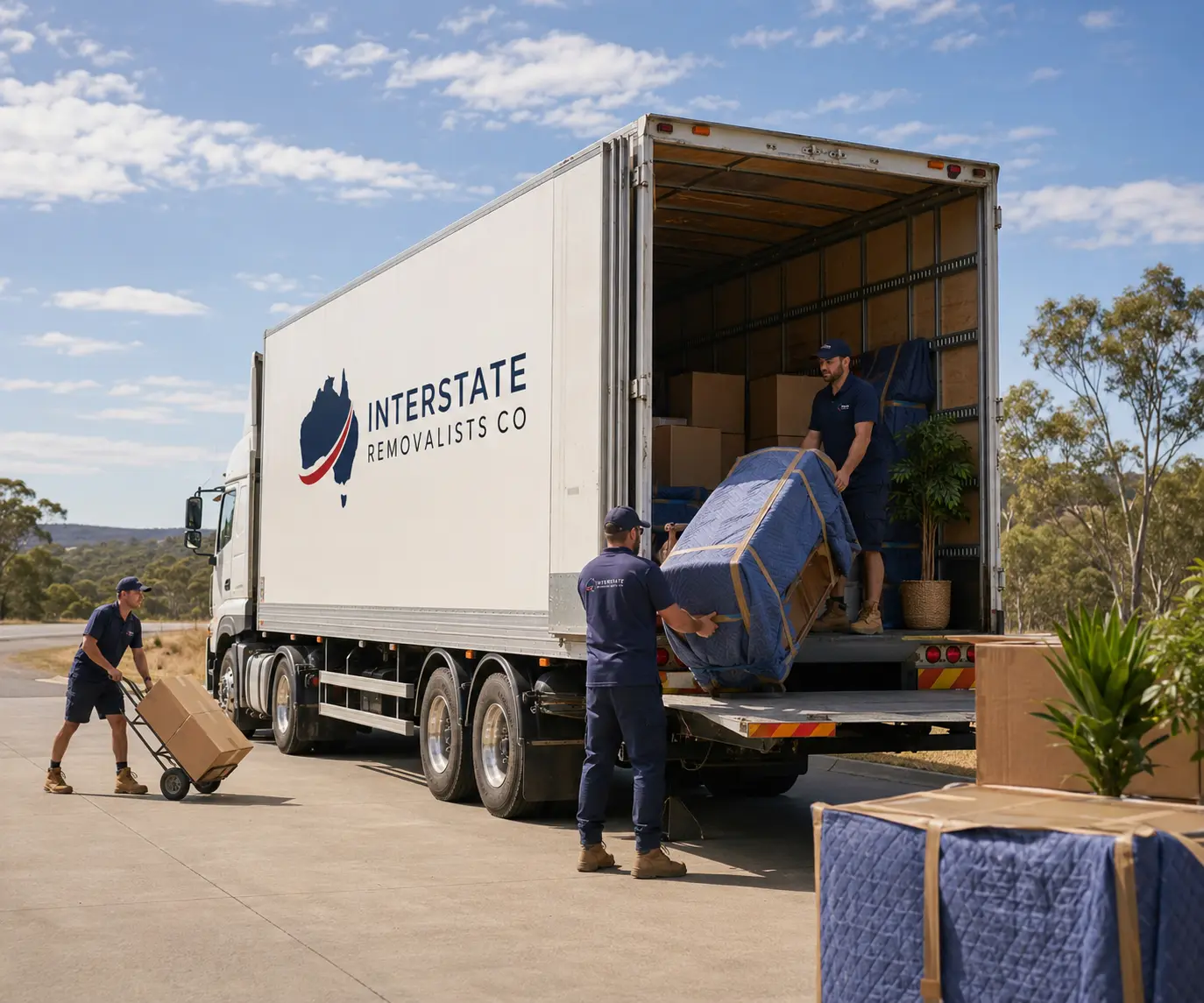
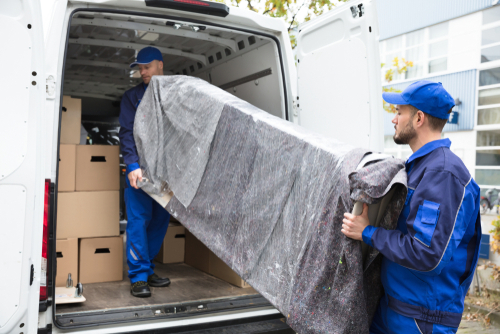
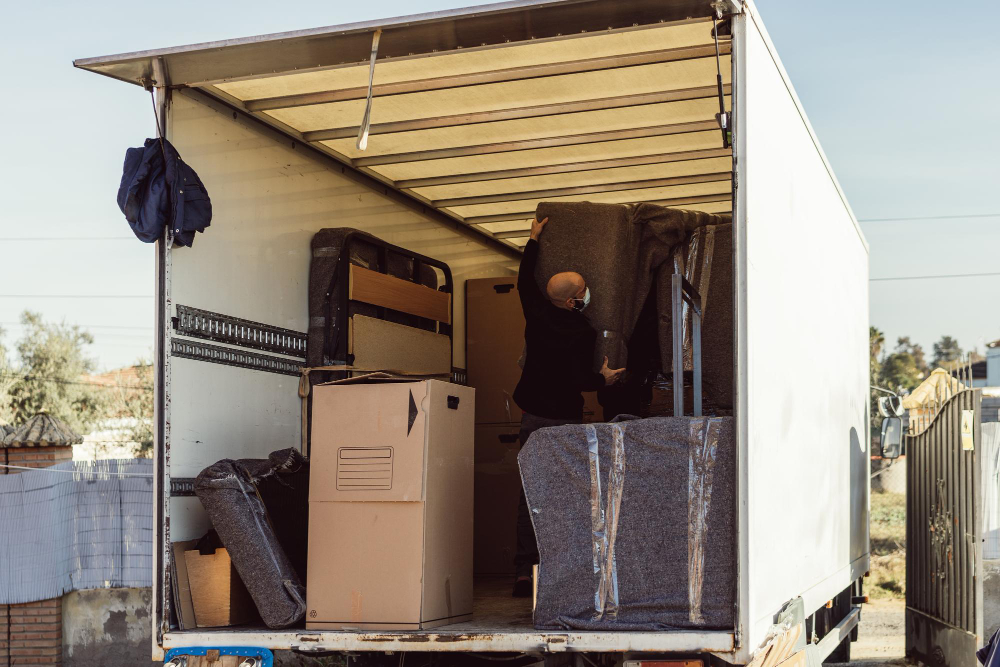
Decide what you will pack and what you want help with
Start with the furniture and belongings you are taking, then divide the preparation into clear jobs. You might pack clothing, books and everyday items yourself while asking Interstate Removalists Co to assess fragile kitchen packing, a television or an awkward cabinet. Record who supplies the materials, who packs each group of items and when the work needs to be finished.
If you want help with selected cupboards or breakables, use the partial-packing scope and kitchen handover checklist. Include the quantity and type of goods in your enquiry so the proposed labour and materials can be quoted. Packing, transport, unpacking and furniture assembly are separate tasks to confirm in writing.
Sort the load before buying boxes
Check every room, then the garage, balcony, shed and storage areas. Separate belongings that are moving, staying, going to someone else or awaiting sale or donation. Our decluttering guide for moving home helps turn those decisions into a usable inventory. Keep items awaiting collection clearly marked so they are not loaded by mistake.
Count furniture components and estimate cartons by size. A bed base and mattress are two pieces; a modular lounge may have several sections. Add anything kept at another address before requesting your quote. When the load changes, send IRCO an updated list so the space, handling and price can be reviewed.
Choose cartons and protection for the actual contents
- Use sound, dry cartons. Check the base, corners and seams. Replace cartons that are crushed, torn or weakened by moisture. Follow the carton supplier's assembly and load instructions.
- Match carton size to the contents. Dense items such as books belong in smaller manageable cartons. Large boxes are better reserved for suitable lighter belongings; filling a large box with dense contents can make it difficult to handle.
- Protect items individually. Use clean packing paper, cushioning or fitted packaging appropriate to the item. Separate fragile surfaces and fill remaining spaces so the contents do not move freely inside the carton.
- Keep sets and loose parts identifiable. Label fittings with the furniture they belong to. Protect loose shelves or components separately where required, and keep the matching parts on the inventory.
- Check the packed carton. It should close properly without bulging. Seal it according to the packaging instructions and label it before moving on to the next one.
A box's weight is only one part of handling risk. Its size, grip, carrying route and the person handling it matter too; the WorkSafe Queensland manual-task guidance explains why a single weight limit cannot establish that a lift is safe. If a packed carton is difficult to handle, stop and arrange a more suitable packing or handling method rather than treating a kilogram target as a guarantee.
Give televisions, mirrors and appliances their own preparation plan
A fragile label does not replace suitable packaging. For a television, identify the model, screen size, stand or wall-mount arrangement and whether the original packaging is available. Mirrors and framed artwork need their dimensions and construction recorded. Use the replacement-box and fragile-surface preparation guide before selecting materials or confirming the packing work.
For fridges, washing machines and other appliances, follow the manufacturer's instructions for the actual model. Confirm who disconnects the appliance, manages any remaining water, obtains required transport parts and prepares it for collection. The whitegoods preparation checklist helps you allocate those jobs without relying on one generic method for every appliance.
Furniture is prepared for its own handling method; it does not belong inside ordinary moving cartons. Request any dismantling or reassembly before booking and keep the product instructions and fittings with the relevant item. For desks, wardrobes and bed frames, the flat-pack furniture moving guide explains what to check before deciding whether to move the piece assembled or dismantled.
Pack in an order that lets you keep living at home
Begin with belongings you can do without until delivery: spare linen, occasional-use kitchenware, seasonal clothing and selected books. Leave a small everyday kitchen kit and the clothing you need until departure. Work through one manageable area at a time, recording completed cartons on the inventory.
Set aside an essentials bag for medication, documents, chargers, toiletries, clothes and first-night bedding. Keep it away from the removal cartons and tell anyone helping that it travels with you. If you are flying, check the airline's current baggage conditions for the items in your luggage.
Keep excluded goods out of the load
IRCO's booking terms exclude plants from interstate removals and moves involving storage. Dangerous goods, including gas cylinders, fuel containers and volatile liquids, are also excluded. Keep those goods out of the removal load and discuss other uncertain contents before sealing cartons. Government entry permission does not change a carrier's acceptance rules.
Check destination-specific biosecurity requirements for relevant food, outdoor equipment and other risk items. Arrange appropriate disposal or separate transport for goods the booked service cannot carry. Do not conceal uncertain contents in a carton labelled only “garage”.
Label for the person receiving the delivery
Put the carton number, destination room and a short contents description on more than one side. Keep sensitive personal information off the outside. For multiple delivery addresses, add the destination code before the room so cartons for different households remain distinct.
Keep the accepted inventory, condition photos, quote and preparation notes accessible outside the load. Give the receiver a room plan and explain any unpacking or assembly that is booked separately. Clear the agreed carrying paths before collection and report changed access or unfinished packing to IRCO promptly.
Packing questions before moving home
What should I pack first?
Start with belongings you will not need before delivery, such as spare linen, seasonal clothing and occasional-use kitchenware. Keep everyday necessities and first-night supplies separate. Pack one area at a time and update the carton list as you finish.
How heavy should a moving box be?
Use the packaging supplier's limits and the agreed handling plan. There is no single weight that makes every carton safe for every person and carrying route. Use smaller cartons for dense contents and arrange help or a different method when a packed box is difficult to handle.
Can I pack some items and ask IRCO to pack the rest?
Yes, describe the cupboards, fragile pieces or rooms you want assessed for packing assistance. Identify what you will prepare yourself and ask for the materials, labour and timing to be included in the written quote. Unpacking and furniture assembly should be specified separately if required.
Is a fragile sticker enough for a television or mirror?
No. The item still needs suitable protection and a handling plan. Provide its dimensions, construction and available packaging, then confirm the preparation with IRCO. A television screen should not be exposed to pressure from unsuitable packing materials.
What should stay out of the removal cartons?
Keep medication, documents, valuables and immediate travel essentials with you. IRCO excludes plants from interstate or storage moves and excludes dangerous goods including gas cylinders, fuel containers and volatile liquids. Resolve other uncertain contents before packing.
Discuss the preparation with Interstate Removalists Co
Send IRCO your inventory, route, date range and the packing help you need. Include fragile pieces, appliance preparation and any furniture assembly in the same conversation. Explore packing services or request a moving quote with the details you have, marking estimates and unresolved access clearly.