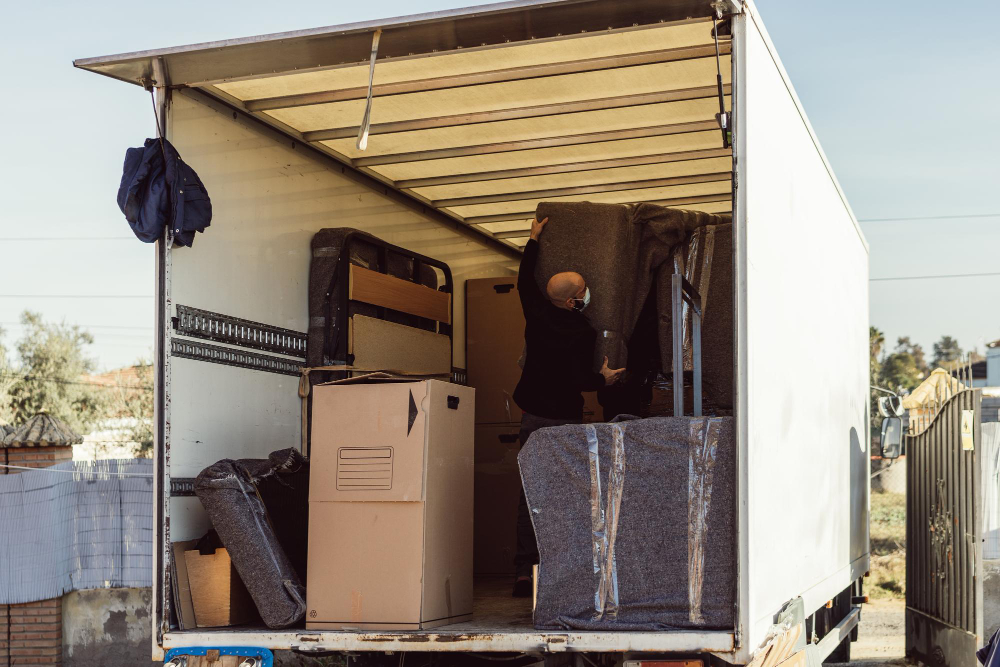
You do not have to empty every cupboard at once to make progress before a move. Start with the furniture that will fit your next home, work through manageable areas and give outgoing items a realistic collection plan. This guide helps you turn those decisions into a current inventory for Interstate Removalists Co, with time to pack the belongings you are taking.
Start with the home you are moving into
Decluttering before moving works best when it helps you make real decisions about the next home. Look at the room layout, storage and access before deciding which large pieces to take. A dining table may fit through the front door but leave too little room to use the chairs. A second fridge may have no suitable place at the new address.
Make a simple furniture list with the item, its intended room and any decision still outstanding. Add dimensions for the larger pieces. You do not need to decide everything in one sitting; begin with obvious duplicates and belongings you already know you do not want, then set aside time for more difficult choices.
Use five clear destinations for your belongings
- Move: items you are taking to the new home, with a destination room where possible.
- Keep with you: documents, medication, valuables and belongings needed before the furniture arrives.
- Sell or give away: items with a named recipient or a realistic collection plan.
- Donate: suitable goods the chosen charity has agreed to accept.
- Recycle or dispose of appropriately: items that cannot be reused, with the correct local disposal arrangement checked.
Label the groups clearly and keep access routes open. An item advertised for sale is still in your home until it has been collected. Record who will collect it and when, and decide what you will do if that appointment falls through. Avoid leaving that decision for the morning the removalists arrive.
Choose a manageable place to begin
Start with one shelf, drawer or small cupboard whose contents are straightforward. Finish sorting it, record the decisions and move the outgoing goods to their agreed collection area. Short, complete sessions are often more useful than emptying several rooms and creating a new job you cannot finish before bedtime.
Then work through the places that are easy to miss in a moving inventory: the linen cupboard, garage, balcony, shed, storage cage and spare room. Check borrowed items and belongings belonging to other household members before making decisions about them. Keep the tools, clothing and everyday supplies you still need until departure accessible.
Kitchen and pantry
Separate duplicate utensils, unused appliances and crockery you no longer want. Keep a small everyday set until the final pack. Check food dates and destination biosecurity rules before including pantry contents in the moving load. If you want help with selected breakables, the partial-packing checklist helps you identify the cupboards and pieces to discuss with IRCO.
Garage, shed and outdoor storage
Sort tools, garden equipment and outdoor furniture early enough to arrange cleaning, collection or disposal. Keep gas cylinders, fuel containers, chemicals and other uncertain goods separate from ordinary household cartons. IRCO's booking terms exclude dangerous goods including gas cylinders, fuel containers and volatile liquids, and exclude plants from interstate removals and moves involving storage. Resolve the remaining carrier-acceptance and preparation questions before loading day.
Clothing, linen and children's belongings
Check what fits, what is used and what storage will be available. Involve children in decisions about their own belongings at a pace they can manage. Explain where donated items will go, keep favourite comfort items accessible and avoid turning disposal into a contest. Clothing or linen kept for a genuine future use can remain on the moving list; a rigid rule about the last time you used it is not necessary.
Compare moving furniture with replacing it
For a large desk, wardrobe or extra bed, compare the complete cost and usefulness of each option. Ask how the removal quote changes if the item is excluded, then consider replacement delivery, assembly, quality, condition and the effort of finding another piece. A minimum transport charge may mean that removing one item does not reduce the total.
Sentimental value matters too. An inherited cabinet and an inexpensive shelf do not have to be judged by the same rule. The flat-pack furniture moving guide covers access, dismantling and preparation questions. If only a few pieces are travelling, compare small interstate furniture transport using the actual item list and receiving arrangement.
Give selling and donating a realistic deadline
For items you want to sell, allow time for photos, enquiries and collection. Describe the condition, measurements and access accurately, and confirm who is responsible for removing the item from the property. Keep your removal inventory separate from the sales list so an item awaiting collection is not accidentally booked for transport.
Before donating, check what the selected charity and local store can accept. Furniture condition, size and available space can affect acceptance. The Salvos Stores donation guide is one useful starting point; confirm the actual item and collection or drop-off arrangements directly. Do not assume every store accepts large furniture or that collection will be available before your move.
Set a decision date for unsold items that leaves time for an alternative. If an item will now move with you, tell IRCO before collection so the load and handling can be reassessed. If it is going to another household, include that delivery address in the enquiry instead of treating it as an incidental stop.
Check recycling and disposal before filling a bin
Ask your council or the relevant collection service about accepted items, booking requirements and any fees. Paint, chemicals, batteries and electrical goods may need specific disposal arrangements. The Australian Government's household recycling guidance explains how to check options and directs readers to specialist collection information.
Do not put batteries in household rubbish or recycling bins. Check the collection service's instructions for the actual battery or device, including damaged items. Do not dismantle unfamiliar equipment just to remove a battery. For goods being reused, erase personal information from devices using the manufacturer's instructions before handing them over, and keep records you still need.
Take time with sentimental belongings
Set these items aside for a separate session if they are slowing down the practical sorting. You can keep them, photograph them, share them with someone who wants them or postpone a decision. There is no requirement to give away a meaningful possession simply because you are moving.
If a bulky piece matters to you, ask about its preparation, access and transport cost before deciding. Photograph its condition and discuss any fragile surfaces or unusual construction with IRCO. For smaller keepsakes, choose suitable protective packing and keep irreplaceable documents or valuables with you where practical.
Turn the decisions into a current moving inventory
Before finalising the quote, walk through the home again. Mark the furniture that is moving, count the remaining cartons and record anything at a second address. Remove collected sale or donation items from the list, and identify anything still unresolved. Keep the same dated inventory for quoting, collection and delivery.
When different family members are receiving items, use a destination code before the room label. Our multiple-pickup and split-delivery guide explains how to allocate goods and contacts across addresses. Once the load is settled, use the packing tips and preparation guide to plan materials, carton labels and the tasks you want help with.
Decluttering before moving: practical questions
Will decluttering always make my removal quote cheaper?
No. Reducing the load may reduce space, packing or handling, but a service minimum or unchanged access work can still apply. Ask IRCO to compare the revised inventory with the original quote. Include replacement, delivery and assembly costs when deciding whether to leave furniture behind.
Which room should I start with?
Start with one small area whose decisions are straightforward, then work through cupboards and storage spaces that are easy to overlook. Keep daily necessities accessible. Leave emotionally difficult belongings for a separate session if that helps you make progress without rushing.
What if an item has not sold by moving day?
Set an earlier decision date and a backup plan. If the item will travel with you, notify IRCO before collection so space, handling and price can be checked. If it will be donated or collected separately, confirm acceptance, access and the collection appointment.
Can I donate furniture without checking first?
Check with the chosen charity or local store before arranging drop-off or collection. Acceptance can depend on condition, item type, size and available capacity. Provide photographs and measurements where requested, and allow time for an alternative if the item is not accepted.
Do I have to get rid of sentimental items?
No. Decide according to what matters to you and what can work in the new home. Consider the furniture's size, access and preparation before deciding about a large piece. Smaller keepsakes can be protected and organised without applying an arbitrary rule about when you last used them.
How do I stop unwanted items being loaded?
Keep moving goods separate from sale, donation and disposal items, label the groups clearly and give the collection contact the current inventory. Explain anything still awaiting another collection before the crew starts loading.
When should I update the removalist inventory?
Send changes as soon as significant furniture, cartons, collection points or destinations change. Keep a dated version with the accepted quote and confirm any effect on space, handling or price before collection.
Bring the final furniture list to Interstate Removalists Co
You do not need a perfectly sorted house to start an enquiry. Send the inventory you have, mark undecided items and explain your dates and destination. IRCO can assess the proposed move and requested packing or furniture-handling work. Request a moving quote and update the list as your decisions become final.